
Now Reading: When Is the Best Time to Have a Meteor Shower?
-
01
When Is the Best Time to Have a Meteor Shower?


When Is the Best Time to Have a Meteor Shower?

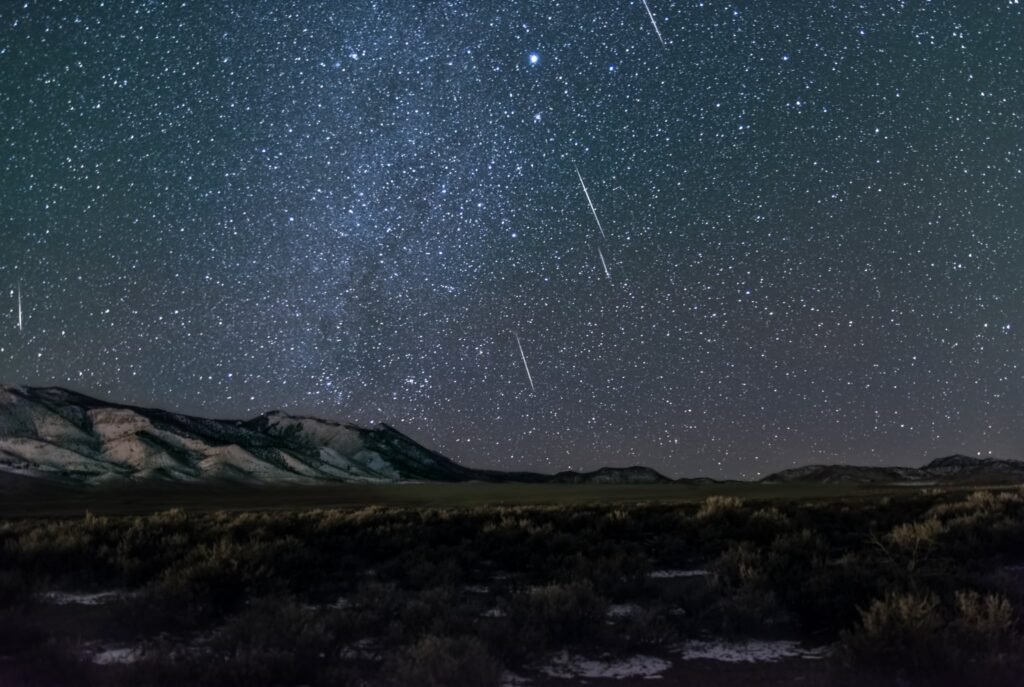
The best time to have a meteor shower is typically between midnight and pre-dawn. This is when the sky is darkest, and you have the highest chance of seeing meteors.
Meteor showers like the Perseids, Eta Aquariids, Geminids, and others occur at specific times throughout the year, usually during particular months. For example, the Perseids appear in July and August, while the Draconids and Orionids peak in October. To fully enjoy a meteor shower, it is recommended to find a comfortable spot outside, away from city lights, and gaze at the sky during the suggested time frame.
With patience and a little luck, you may witness a captivating display of shooting stars streaking across the night sky.
Factors Affecting The Best Time To Have A Meteor Shower:
Influence Of The Moon’s Phase On Meteor Shower Visibility
The moon’s phase determines the best time for a meteor shower. The brightness of the moon can significantly impact the visibility of meteors. When the moon is full or near full, its light can wash out the fainter meteors, making them harder to spot. Therefore, the best time to observe a meteor shower is during a moonless or crescent moon phase when the sky is darker.
Impact Of Light Pollution On Observing Meteor Showers
Light pollution is another factor that can affect the visibility of meteor showers. Artificial lights from cities, buildings, and streetlights can create a bright sky glow, obscuring the view of meteors. To have the best experience, finding a location away from urban areas with minimal light pollution is recommended. This will provide a darker sky background, allowing for better meteor visibility.
Consideration Of The Radiant Point And Visibility Of The Shower
Another essential aspect to consider when determining the best time to have a meteor shower is the radiant point and visibility of the shower. The radiant point is the point in the sky from which the meteors appear to originate. To maximize the number of meteors you can see, it is ideal to have the radiant energy above the horizon. Checking the shower’s brilliant point and visibility during specific hours can help plan the best time to observe the meteor shower.
In conclusion, factors such as the moon’s phase, light pollution, and the shower’s radiant point all contribute to determining the best time for a meteor shower. Considering these factors, you can enhance your chances of witnessing a spectacular display of shooting stars.
Credit: www.independent.co.uk
Best Time Of Year To Watch Meteor Showers:
Highlighting The Different Meteor Showers That Occur Throughout The Year:
One of the most fascinating celestial events to witness is a meteor shower. These stunning displays of cosmic debris light up the night sky and provide a mesmerizing spectacle for stargazers. Throughout the year, several meteor showers grace our skies. Each shower has unique characteristics, making it a must-see event for astronomy enthusiasts. Let’s explore some of the most notable meteor showers that occur throughout the year:
– Perseids
– Geminids
– Leonids
– Orionids
– Draconids
– Eta Aquariids
– Southern Delta Aquariids
– And many more!
Discussing The Characteristics And Peak Times Of Popular Meteor Showers Such As The Perseids And Geminids:
Regarding meteor showers, two of the most eagerly anticipated events are the Perseids and Geminids. The Perseids, which typically occur in August, are known for their abundance of bright and fast meteors. Considered one of the year’s best meteor showers, the Perseids can produce around 60-100 meteors per hour at its peak. Stargazers can expect to witness meteors with stunning trails of light streaking across the sky.
Another notable meteor shower is the Geminids, usually in December. Unlike many other meteor showers, the Geminids are not associated with a comet but instead originate from an asteroid called 3200 Phaethon. Known for their colorful and bright meteors, the Geminids can produce up to 120 meteors per hour at its peak. These meteors are often slower-moving and can create a truly breathtaking display.
Mentioning The Months With The Most Meteor Showers And Their Associated Peak Times:
While meteor showers occur throughout the year, certain months have an abundance of these celestial phenomena. August is considered one of the best months for meteor showers since it is home to the famous Perseids, which reach their peak around mid-August.
Another month known for its meteor showers is December. Besides the Geminids, December also hosts the Ursids meteor shower, which peaks closer to the end of the month. These showers provide a fantastic opportunity for stargazers to enjoy a dazzling display of shooting stars as we approach the new year.
It’s important to note that each meteor shower has its specific peak time. For example, the Perseids typically peak in mid-August, while the Geminids reach their maximum activity in mid-December. To catch the best view, it is recommended to find a dark location away from city lights and observe after midnight until pre-dawn when the sky is at its darkest.
Whether you’re a seasoned astronomer or enjoy the wonders of the night sky, witnessing a meteor shower is an experience like no other. By understanding the different meteor showers that occur throughout the year and their peak times, you can plan your stargazing adventures accordingly and maximize your chances of witnessing these awe-inspiring celestial events.
Best Time Of Day To Watch Meteor Showers:
Best Time of Day to Watch Meteor Showers:
Explaining how the time of day affects meteor shower visibility:
The time of day significantly affects the visibility of meteor showers. The sun’s brightness makes it impossible to see any meteors during the daytime. Similarly, the sky is still relatively bright during the evening, hindering meteor visibility. It is crucial to wait until midnight, when the sky becomes darker and the sun no longer illuminates the atmosphere.
Highlighting the optimal time range to observe meteor showers, such as after midnight but before sunrise:
The optimal time range to observe meteor showers is typically after midnight but before sunrise. As the night progresses and reaches the early morning hours, the Earth turns into the meteor stream, increasing the chances of witnessing more meteors. The dark skies during this time provide a perfect backdrop to observe the radiant streaks across the sky.
Addressing the importance of dark skies and precise weather conditions for better viewing:
To enjoy the best meteor shower experience, it is essential to have dark skies and clear weather conditions. Light pollution from streetlights, buildings, and cities can diminish meteors’ visibility. Therefore, it is advisable to find a location away from artificial lights and city centers, where the sky is darker and the stars are more prominent. Additionally, having clear weather conditions with minimal cloud cover is crucial to unobstructed meteor watching. Clouds can obscure the sky, making it challenging to spot meteors streaking by.
In conclusion, choosing the right time of day is crucial to witness the awe-inspiring beauty of meteor showers. Waiting until after midnight when the sky is darker and before sunrise ensures optimal meteor visibility. Moreover, finding a location with dark skies and precise weather conditions helps enhance the viewing experience. So, mark your calendars, set your alarm clocks, and prepare to be amazed as you glimpse these celestial wonders.
Tips For Maximizing Your Meteor Shower Viewing Experience:
Watching a meteor shower can be an awe-inspiring experience, but to truly make the most of it, it’s essential to be prepared. Here are some practical tips to maximize your meteor shower viewing experience:
Providing Practical Advice On How To Prepare For Watching A Meteor Shower
Before heading out to watch a meteor shower, being prepared is essential. Here are a few things you can do to make sure you have a memorable experience:
- Dress for the weather: Meteor showers often happen during the cooler months, so dress appropriately for the night. A warm jacket, hat, and gloves can make all the difference in staying comfortable during your viewing session.
- Bring a comfortable chair or blanket: Sitting or lying down for extended periods can get uncomfortable, so bring a comfortable chair or blanket to sit or lie on. This will allow you to relax and enjoy the show without any discomfort.
- Stay hydrated and bring snacks: Don’t forget to bring some water and snacks to keep yourself hydrated and energized. Meteor showers can last for hours, and having refreshments on hand will ensure you don’t miss out on any action.
Suggesting The Use Of Star Charts And Sky-watching Apps To Locate Meteor Showers And Radiant Points
Locating meteor showers and their radiant points can be challenging, especially for beginners. Thankfully, there are tools available to make this process easier:
- Star charts: Star charts are maps of the night sky that can help you identify constellations and locate meteor showers. They provide a visual representation of the sky and can be a handy tool for finding the radiant point of a meteor shower.
- Sky-watching apps: With the rise of technology, various smartphone apps are available to help you locate meteor showers and their radiant points. These apps use your device’s GPS to provide real-time information about the night sky, making finding and tracking meteor showers easier.
Recommending Comfortable And Relaxed Viewing Spots Away From City Lights For Better Visibility
For the best meteor shower viewing experience, finding a location away from the city’s bright lights is crucial. Light pollution can significantly impact visibility, so here are some recommendations for finding the perfect viewing spot:
- Head to a dark sky site: Dark sky sites are designated explicitly for stargazing and offer minimal light pollution. Research nearby shady sky sites or national parks known for their clear skies and plan to visit them for your meteor shower viewing.
- Find a rural area: If you can’t reach a dark sky site, finding a rural area away from major cities can significantly improve your visibility. Look for open fields, hills, or even your backyard to set up for the night and enjoy a clear sky view.
- Check the weather forecast: Before heading out, check the weather forecast for clear skies. Clouds can obstruct your view of meteor showers, so picking a night with clear skies will significantly increase your chances of seeing shooting stars.
These tips can enhance your meteor shower viewing experience and make the most of this spectacular natural phenomenon. So grab your star charts, find a cozy spot away from city lights, and get ready to be amazed as shooting stars light up the night sky!
Frequently Asked Questions: When Is The Best Time To Have A Meteor Shower?
What Is the Best Time To Watch the Meteor Shower Tonight?
Is There A Meteor Shower In August 12 To 13?
What Time Is The Meteor Shower On August 13?
What Month Has The Most Meteor Showers?
What Month Has The Most Meteor Showers?
August is the month that has the most meteor showers.
Conclusion
To experience the magical beauty of a meteor shower, it’s best to venture out under the night sky between midnight and pre-dawn. This is the ideal time when the chances of spotting shooting stars are at their highest. Remember, each meteor shower has its peak time, so staying updated on the dates and timings of upcoming showers is essential.
So grab a cozy spot, gaze at the sky, and get ready to witness a celestial spectacle you won’t soon forget. Happy meteor shower hunting!