

Now Reading: The Future of New York City’s Transportation And Infrastructure
-
01
The Future of New York City’s Transportation And Infrastructure

The Future of New York City’s Transportation And Infrastructure

The future of New York City’s transportation and infrastructure is looking very promising. The city has been investing billions of dollars in upgrading its subway system, building new light rail lines, and expanding its bus network. It also plans to build more pedestrian-friendly streetscapes and reduce traffic congestion.
All these efforts aim to make the city more livable and sustainable in the long term.
Smart Cities – Infrastructure and Transport of the Future
In the coming years, New York City’s transportation and infrastructure will continue to evolve to meet the needs of a growing population. The city has already begun investing in new technologies to make its transit system more efficient and reliable. In addition, new projects like the Second Avenue Subway and East Side Access will improve access to Manhattan for residents of the outer boroughs.
Looking further into the future, it is likely that autonomous vehicles will play a role in New York City’s transportation network. Self-driving cars, buses, and trucks could significantly reduce traffic congestion and increase safety on city streets. In addition, drone delivery services could become commonplace, providing a quick and convenient way to get goods around town.
With so many potential changes on the horizon, it is exciting to think about the future of transportation in New York City. Whatever happens, one thing is sure: the city will continue to be a bustling metropolis with a complex and ever-changing transportation system.
New York City Infrastructure Problems
New York City is one of the most populous and densely built cities in the United States. Its more than 8 million residents and nearly 1 million workers occupy a space that is just over 300 square miles. The city’s infrastructure includes an aging water system, an electric grid stretched to capacity, roads, and bridges needing repair, and a transit system that cannot keep up with ridership demand.
The New York City Department of Environmental Protection (DEP) provides drinking water to more than 9 million people through a network of more than 6,000 miles of water mains and pipes. The DEP also manages the city’s wastewater treatment system, which consists of 14 sewage treatment plants and 787 miles of sewer pipes. The New York Power Authority (NYPA) operates 16 generating facilities across the state that provide about 25% of the electricity used by New Yorkers.
NYPA also owns and operates two transmission networks—one in New York City and another statewide—that deliver this power to homes and businesses. In addition, NYPA provides direct financial assistance to help utilities upgrade their equipment to handle increased demand during heat waves or other periods of high electricity use. The Metropolitan Transportation Authority (MTA) runs North America’s most extensive public transportation system, serving more than 5 million riders daily on its subways, buses, trains, and bridges/tunnels.
New York Infrastructure
In 2017, the American Society of Civil Engineers (ASCE) gave New York a C-minus on its infrastructure report card. The Empire State was ranked 47th out of 50 states. New York’s roads received a D, while its bridges and transit each got a C. The drinking water system and energy grid also each got a C.
The state has made some progress since then. In 2019, ASCE gave New York an overall grade of C, with slightly higher marks for roads (C+) and bridges (C). However, the group warned that “much work remains.”
As anyone who’s been stuck in traffic or dealt with a delayed train knows, New York’s transportation infrastructure is in dire need of improvement. The Metropolitan Transportation Authority (MTA) has estimated that it will take $51.5 billion to restore the transit system to a state of good repair. This includes fixing track conditions, repairing signals, and upgrading stations.
The MTA has also said that it needs another $32 billion for capital improvements like new subway cars and buses and expansion of the transit system. That may include adding service to underserved areas like Staten Island, and new Metro-North Railroad station stops in the Bronx.
New York City Infrastructure Projects
In the wake of Hurricane Sandy, New York City is undertaking several infrastructure projects to protect the city from future storms. These include building seawalls, raising buildings in flood-prone areas, and installing new stormwater drainage systems. The city is also working to improve its power grid and build new resilience into its transportation network.
These projects will require billions of dollars of investment, but they are essential for keeping New York City safe in the face of climate change.
New York City Transportation
Assuming you would like a blog post about the different modes of transportation in New York City: New York City is a bustling metropolis with a population of over 8 million people. Getting around this city can be daunting, but there are various transportation options, depending on your needs.
The most common form of transportation is the subway. The NYC subway system is one of the largest and busiest in the world, with 24 lines that crisscross the city. You can buy a single-ride ticket or a MetroCard, allowing unlimited rides for a certain period.
Getting a MetroCard is best if you plan on using the subway regularly. Another option for getting around NYC is by bus. Buses are cheaper than a taxi or Uber, but they can get caught in traffic just like any other vehicle on the road.
If you’re looking for a more scenic way to see the city, you can take one of the many hop-on hop-off bus tours available. These tours allow you to get on and off at different points throughout Manhattan to explore at your own pace. If you need to get somewhere quickly, taxis and Uber are always options.
Taxis are easy to hail down anywhere in the city, although they can be more expensive than other modes of transportation. Ubers are also widely available in NYC, and while they may be slightly cheaper than taxis, surge pricing during busy times can make them just as expensive. There are also several ways to get around NYC without using traditional forms of transportation.
If you’re feeling adventurous (and fit!), you could always try walking or biking around the city – just be prepared for some hills! Citi Bike is New York’s bike-sharing system and is excellent for short trips around town. You could also try taking advantage of NYC’s extensive public transit system – including buses, trains, and ferries – which covers all the city’s five boroughs.
No matter how you decide to get around New York City, there’s sure to be a mode of transportation that suits your needs!
New York City Future Projects
New York City is constantly growing and changing. There are always new projects in the works, whether it’s a new building going up or a major renovation to an existing one. Here’s a look at some of the most exciting future projects for New York City:
- Hudson Yards: This massive development project is underway on Manhattan’s West Side. When complete, it will include office towers, residential buildings, retail space, parks, and more.
- Brooklyn Bridge Park: Another great project for New Yorkers to look forward to is the completion of Brooklyn Bridge Park. This 85-acre park will feature playgrounds, sports fields, picnic areas, and stunning views of the Brooklyn Bridge and Lower Manhattan skyline.
- The Second Avenue Subway: After years of delays, construction is finally underway on the much-anticipated Second Avenue Subway line. When complete, this new subway line will ease congestion on the overcrowded Lexington Avenue line and make getting around Manhattan even easier.
- Governor’s Island: This 172-acre island in Upper New York Bay was once home to a military base but is now being transformed into a public park with incredible views of the Statue of Liberty and Ellis Island. It’s set to open to the public in 2020 after years of redevelopment work.
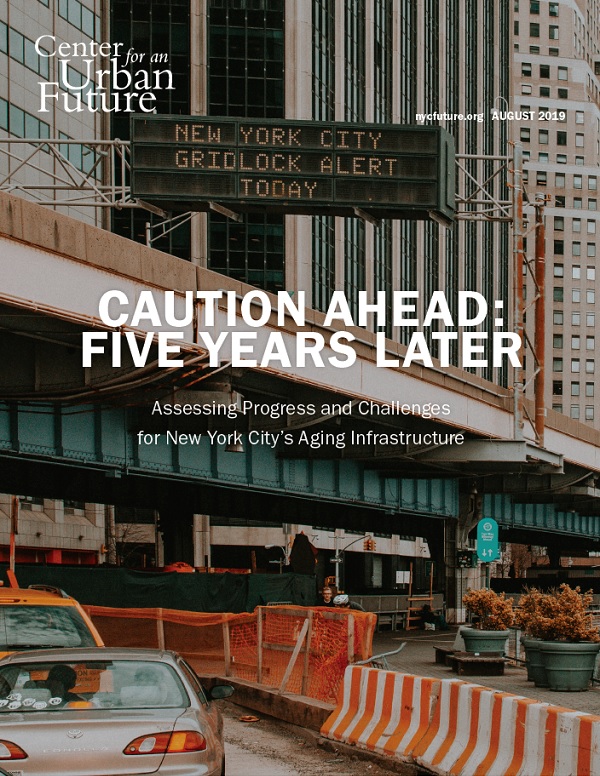
Credit: nycfuture.org
How is the Infrastructure in New York City?
This is due mainly to the fact that private companies and local governments have invested so much in the infrastructure over the years. As a result, New Yorkers enjoy some of the best public services in the world.
Does New York Have Good Infrastructure?
The city’s population density means a lot of wear and tear on roads, bridges, and other infrastructure elements. Additionally, inclement weather can often lead to damage or disruptions. Despite these challenges, New York does have some world-class infrastructure.
The city’s subway system is one of the most extensive and efficient in the world. Additionally, many of the city’s bridges are iconic landmarks that are admired by locals and visitors alike. Overall, it is difficult to say whether or not New York has good infrastructure.
The city certainly has some unique elements but has its share of problems. Ultimately, it is up to each individual to decide what they think about New York’s infrastructure.
What is the Future of New York?
This process has already transformed many areas of New York, and it is expected to continue as more people move to the city and demand higher-quality housing. This could lead to even more drastic changes in some neighborhoods, as well-to-do residents push out lower-income residents. Another trend likely to impact New York’s future is the increasing popularity of ride-sharing services like Uber and Lyft.
These companies have already significantly impacted how people get around the city, and they are expected to become even more popular in the years ahead. This could lead to fewer people owning cars, and it could also change the way public transportation works in New York. It’s impossible to say precisely what New York will look like in the future, but these trends suggest that it will be an ever-changing and dynamic place.
How Much Does New York City Spend on Infrastructure?
In addition, the city also spends billions of dollars every year on maintenance and repairs for existing infrastructure.
Conclusion
New York City’s transportation and infrastructure are aging and need significant investment. The city has been slow to invest in its infrastructure, but that may change. The new administration has prioritized infrastructure and plans to invest billions of dollars in the city’s transportation system.
This investment is badly needed, as the current system is strained by increasing ridership and congestion. The additional investment will help to improve service and reliability while also making the system more resilient to future challenges.